
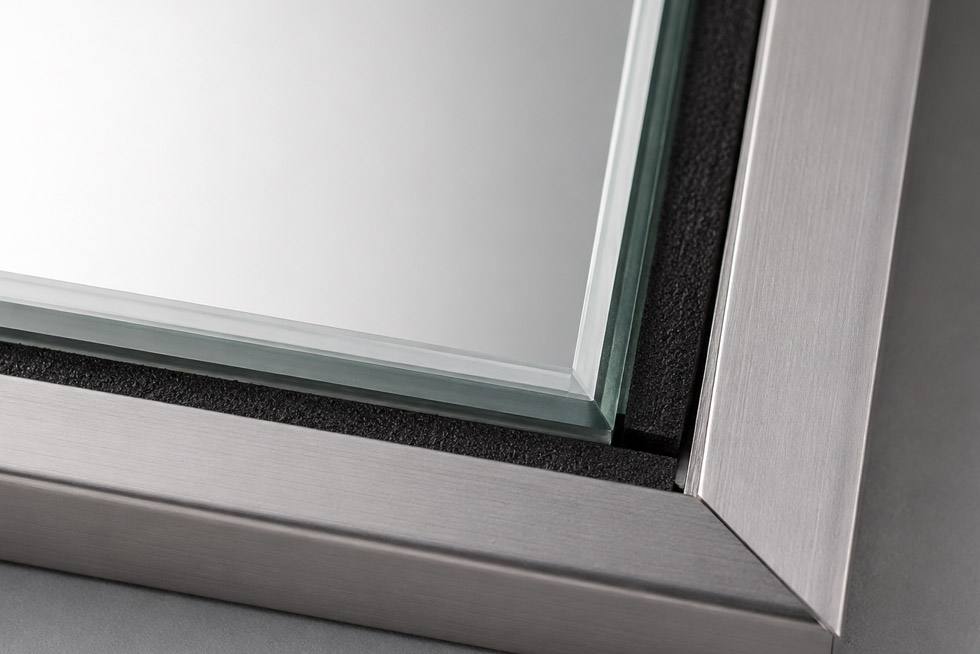
For many applications, bonding metal to glass with tape provides a strong, reliable connection without the need for drilling, welding, or visible hardware.
Bonding metal to glass has traditionally required mechanical fasteners, brackets, clips, or drilled holes. While these methods can provide strong attachment, they often increase installation time, create stress points, and affect the appearance of the finished assembly. Today, high-performance adhesive tapes offer an alternative solution.
This guide explains how tape bonds metal to glass, the advantages of tape-based assembly, and the factors that influence long-term performance.
Why Avoid Drilling Glass?
Glass is a strong material, but it is also vulnerable to damage during fabrication and installation.
Drilling introduces several challenges:
- Risk of cracking or breakage
- Additional fabrication costs
- Increased installation time
- Potential stress concentrations around holes
- Visible hardware that impacts aesthetics
In architectural, transportation, retail display, and manufacturing applications, designers often prefer solutions that preserve the clean appearance of glass while maintaining structural integrity.
This is one reason bonding metal to glass with tape has become increasingly common.
Bonding Metal to Glass with Tape? How it Works
High-performance acrylic foam tapes use pressure-sensitive adhesives combined with a viscoelastic foam core.
Unlike mechanical fasteners that concentrate loads at specific points, tape distributes forces across the entire bonded area.
This creates several advantages:
- Uniform stress distribution
- Improved aesthetics
- Reduced vibration transfer
- Elimination of drilled holes
- Simplified assembly
The foam core also helps absorb movement caused by thermal expansion and contraction, which is particularly important when bonding different materials such as metal and glass.
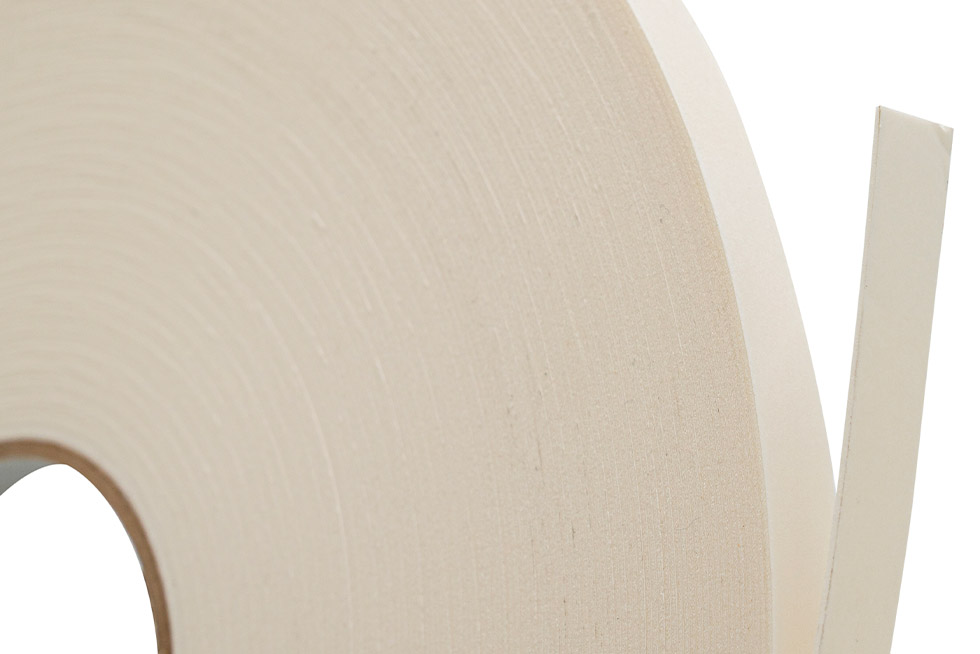
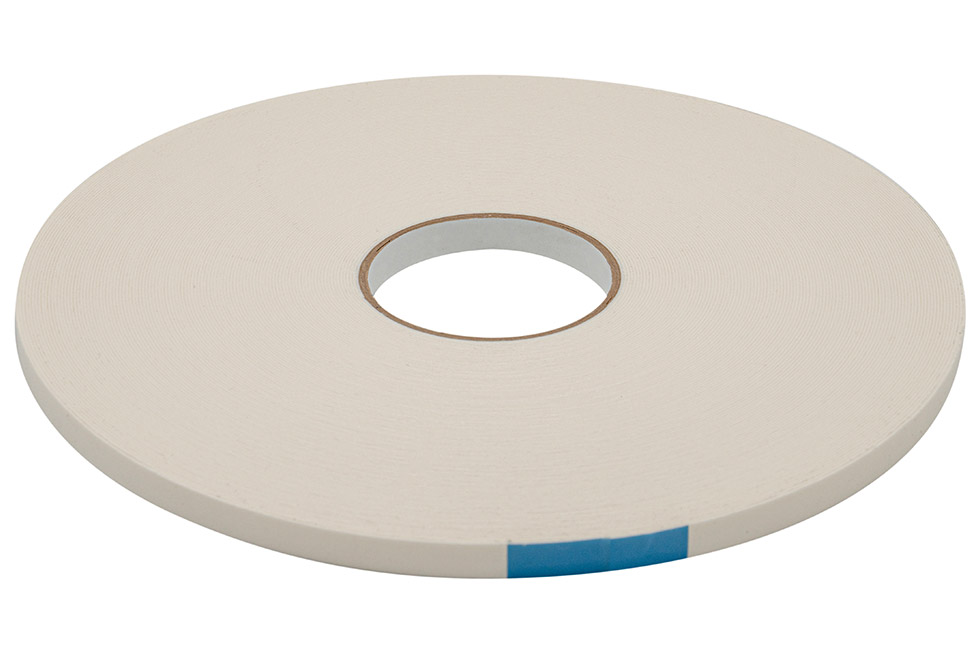
DYK? Capital Tape offers a complete line of products for bonding metal to glass with tape:
Why Metal and Glass Present Unique Challenges
Metal and glass expand and contract at different rates when temperatures change.
A rigid attachment method may place stress on the bond line as materials move independently.
High-performance acrylic foam tapes help accommodate this movement because the foam core can flex while maintaining adhesion.
This flexibility helps reduce stress and improve long-term durability.
Benefits of Bonding Metal to Glass With Tape
IMPROVED APPEARANCE
One of the most significant advantages is aesthetics.
Tape creates a clean, seamless appearance without:
- Screws
- Rivets
- Clips
- Brackets
- Visible fasteners
This is especially valuable in architectural glazing, display systems, and modern interior designs.
REDUCED FABRICATION TIME
Eliminating drilling and mechanical fastening can streamline production and installation.
Assemblers can often:
- Reduce labor costs
- Simplify assembly processes
- Minimize equipment requirements
- Improve manufacturing efficiency
BETTER STRESS DISTRIBUTION
Mechanical fasteners create concentrated stress points.
Tape spreads loads across the entire bonding surface, helping reduce localized stress and improving overall performance.
VIBRATION DAMPENING
Foam tapes help absorb vibration and reduce noise transmission.
This can be beneficial in:
- Transportation applications
- Metal-framed glass systems
- Equipment enclosures
- Interior architectural assemblies
CORROSION PREVENTION
Traditional fasteners may create opportunities for corrosion when dissimilar materials come into contact.
Tape eliminates the need for holes and hardware, helping protect bonded surfaces.
Common Applications
Bonding metal to glass with tape is used across many industries:
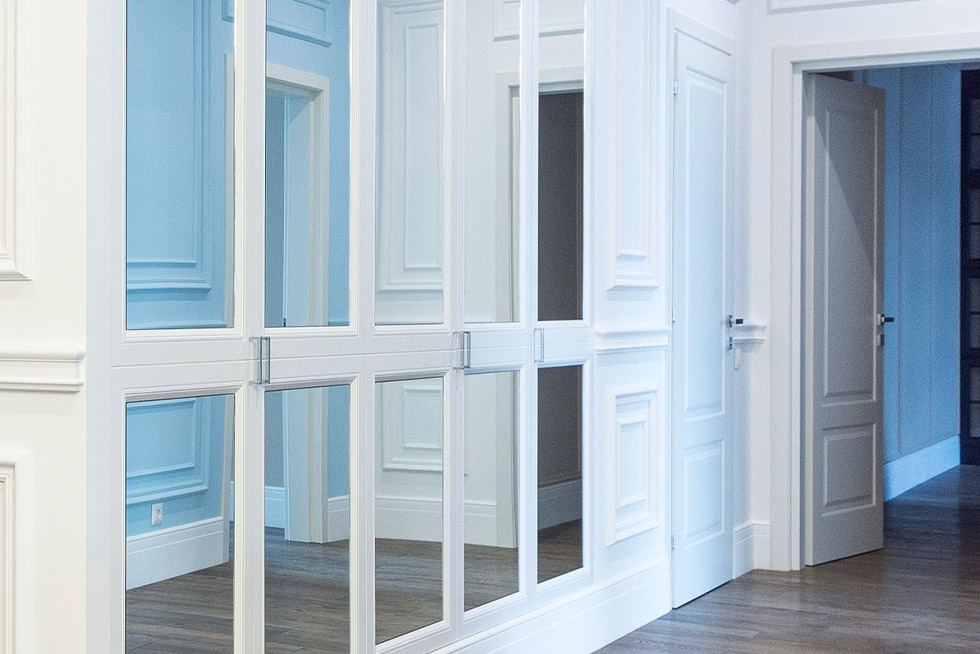
ARCHITECTURAL GLAZING — Architectural systems often use tape to attach trim, decorative elements, and support components while maintaining a clean appearance.
GLASS PARTITIONS — Office interiors and commercial spaces frequently incorporate metal hardware bonded directly to glass.
RETAIL DISPLAYS — Display cases and merchandising fixtures often combine metal frames with glass panels.
TRANSPORTATION — Automotive, rail, and specialty vehicle manufacturers use acrylic foam tape to attach components while reducing weight and vibration.
APPLIANCES AND ELECTRONICS — Many products use tape to bond decorative metal components to glass surfaces.
Choosing the Right Tape When Bonding Metal to Glass
Not all tapes are designed for metal-to-glass bonding. Several factors should be evaluated when selecting a tape.
ADHESION PERFORMANCE
The tape must provide strong adhesion to both substrates. Glass typically offers an excellent bonding surface, while metal performance may vary depending on the finish and coating.
FOAM DENSITY
Foam density affects:
- Conformability
- Load distribution
- Vibration dampening
- Long-term durability
The ideal density depends on the application requirements.
ENVIRONMENTAL RESISTANCE
Outdoor and industrial applications often require resistance to:
- UV exposure
- Moisture
- Temperature extremes
- Chemical exposure
Acrylic foam tapes are commonly selected because of their excellent environmental durability.
THICKNESS
Tape thickness helps accommodate surface variation and material movement.
The appropriate thickness depends on:
- Surface flatness
- Gap requirements
- Expansion and contraction considerations
- Load conditions
SURFACE PREPARATION MATTERS
Even the highest-performing tape cannot compensate for poor surface preparation.
Before bonding:
- Remove dirt and dust
- Eliminate oils and contaminants
- Ensure surfaces are dry
- Follow manufacturer recommendations for cleaning
Proper preparation helps maximize bond strength and long-term reliability.
Common Mistakes to Avoid When Bonding Metal to Glass with Tape
Several issues can reduce performance when bonding metal to glass with tape.
USING GENERAL-PURPOSE TAPE. General-purpose foam tapes may not provide the durability required for demanding applications.
INSUFFICIENT BOND AREA. Adequate surface area is necessary to distribute loads effectively.
IGNORING ENVIRONMENTAL CONDITIONS. Temperature, moisture, and UV exposure should always be considered during material selection.
LOADING TOO QUICKLY. Many acrylic adhesive systems continue building strength after application.
Allowing sufficient dwell time helps achieve optimal performance.
The Value of Custom Converted Tape Solutions
Many metal-to-glass applications benefit from custom tape formats.
Working with a tape converter allows manufacturers to receive:
- Precision slit widths
- Die-cut components
- Custom roll lengths
- Application-specific adhesive systems
- Optimized material selection
Custom converting can improve installation efficiency and reduce waste during assembly.
Final Thoughts
Bonding metal to glass with tape offers a modern alternative to drilling, brackets, and mechanical fasteners.
By distributing stress across the bond line, accommodating material movement, and maintaining a clean appearance, high-performance acrylic foam tapes provide an effective solution for many architectural, transportation, display, and industrial applications.
When the correct tape is selected and properly installed, bonding metal to glass with tape can deliver reliable long-term performance while simplifying assembly and preserving the aesthetics of the finished product.
For manufacturers, fabricators, and designers seeking cleaner, faster, and more efficient assembly methods, tape-based bonding continues to be an increasingly valuable solution.
QUESTIONS FOR US?
For specific questions about your mounting tape or acceptable weight loads, contact us at (216) 292-3455 or email service@capitaltape.com. Our pros are happy to offer insight into your tape inquiries.
Looking for more support? Check out these helpful links:
DATA SHEETS | ARTICLES | FREQUENTLY ASKED QUESTIONS | TROUBLESHOOTING
Follow Capital Tape on LinkedIn