

In today’s glazing and construction industries, precision and durability are everything. One often overlooked—but critical—component in glass installation systems is spacer tape for glass. Whether used in residential windows, curtain walls, or storefront systems, spacer tape plays a key role in structural integrity, energy efficiency, and long-term performance.
This guide breaks down what spacer tape is, how it works, and why manufacturers and contractors rely on solutions from companies like Capital Tape Company.
What Is Spacer Tape for Glass?
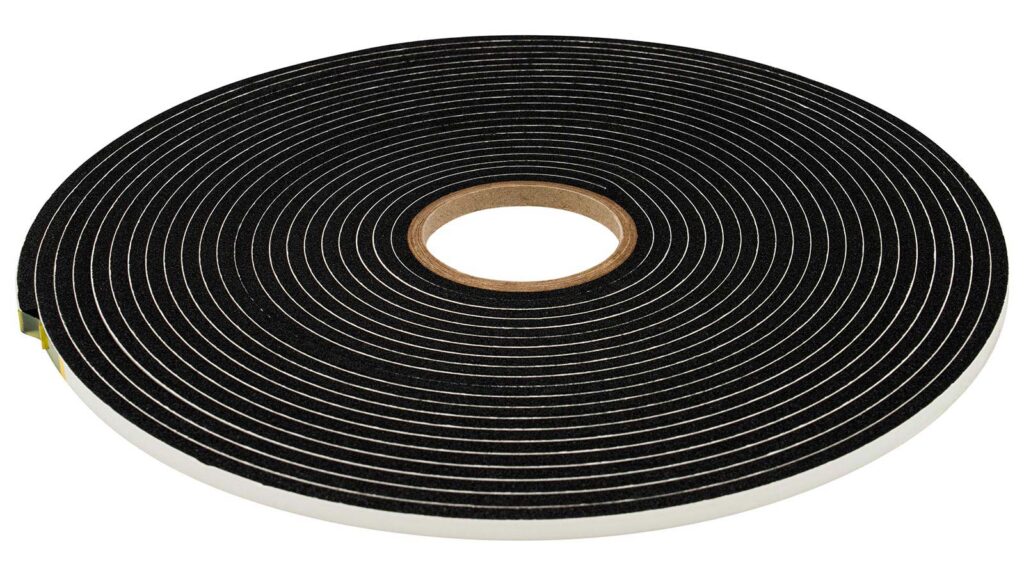
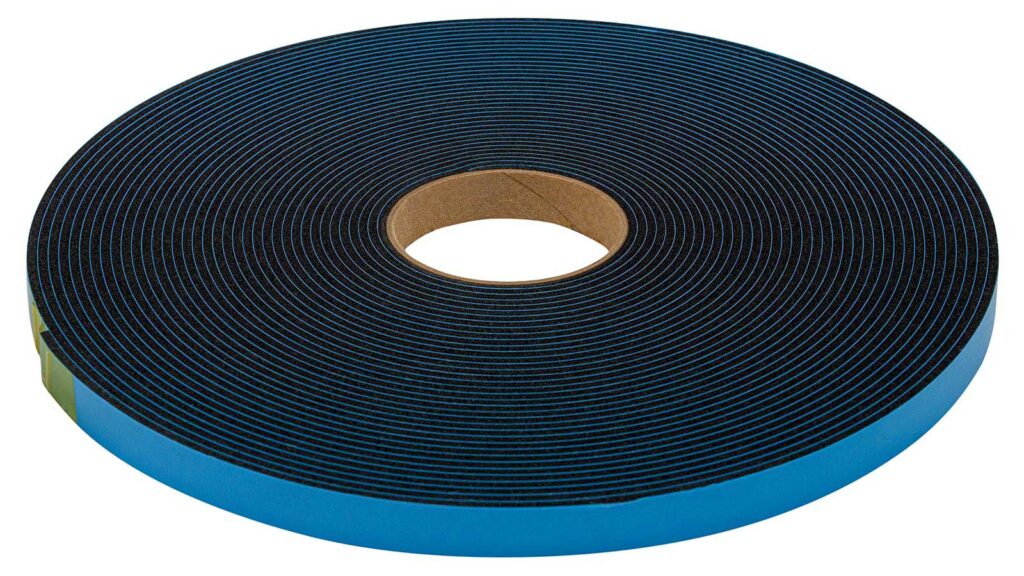
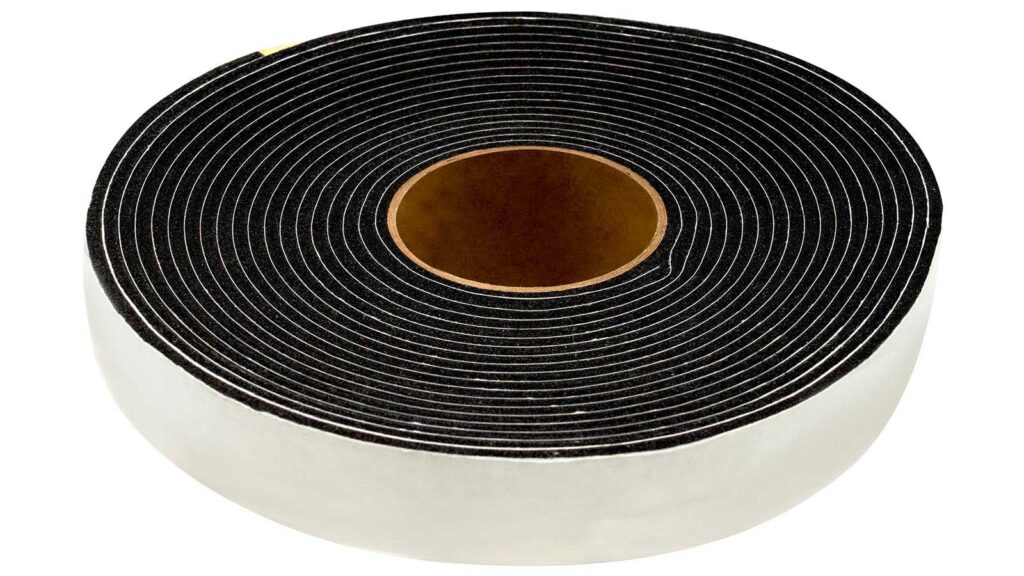
Spacer tape for glass is a specialized adhesive foam tape designed to maintain consistent spacing between glass panels and framing systems during installation. It acts as both a positioning tool and a functional component within the glazing system.
In structural glazing applications, spacer tape is typically applied between the glass and frame before sealants like silicone are introduced. This ensures uniform gaps, which are essential for proper curing and long-term adhesion.
Unlike generic tapes, spacer tapes are engineered with specific densities and adhesive properties to handle load distribution, environmental exposure, and compatibility with other materials.

How Spacer Tape Works in Glazing Systems
Spacer tape serves multiple roles in a glazing assembly:
1. Maintains Consistent Spacing
Spacer tape ensures a uniform bond line thickness between substrates. This is critical for structural silicone performance and overall system stability.
2. Supports Structural Integrity
High-density spacer tapes—like structural spacer options from Capital Tape Company—are designed to be dense and durable, helping support the glass panel during and after installation.
3. Enhances Sealant Performance
Many spacer tapes are engineered to allow proper sealant curing. Some open-cell designs even facilitate airflow and moisture transmission to optimize curing conditions.
4. Provides Cushioning and Vibration Dampening
Foam-based spacer tapes absorb movement, reducing stress from thermal expansion, wind loads, and vibration—similar to compressible glazing tapes used for sound and shock dampening.

Types of Spacer Tape for Glass
Not all spacer tapes are created equal. The right choice depends on the application, load requirements, and environmental conditions.
These are heavy-density tapes used in curtain walls, storefronts, and structural glazing. They are:
- Rigid and load-bearing
- Compatible with major silicone systems
- Designed for long-term durability
Capital Tape’s versions are described as “tough, dense, and practically indestructible,” making them ideal for high-performance applications.
Single-Coated vs. Double-Coated
- Single-coated: Less compressible, used where consistent spacing is the priority
- Double-coated: Provides adhesion on both sides, ideal for structural bonding setups
Foam Density Variations
Spacer tapes come in different densities:
- Low density: More flexible, used for sealing uneven surfaces
- Medium density: Balanced flexibility and strength for general glazing
- High density: Maximum structural support for demanding applications
Applications of Spacer Tape in Glass Projects
Spacer tape for glass is widely used across multiple industries:
In home construction, spacer tape helps secure glass within frames, contributing to energy efficiency, noise reduction, and weather resistance.
Commercial buildings rely on spacer tape to maintain precise gaps in large glass façades while supporting structural silicone systems.
Spacer-like foam tapes are also used in vehicle assembly to seal, cushion, and protect glass components from vibration and environmental exposure.
Industrial and Architectural Glazing
From skylights to glass partitions, spacer tape ensures clean, consistent installations across a wide range of custom applications.
Key Benefits of Using Spacer Tape for Glass
Choosing the right spacer tape delivers several advantages:
- Improved installation accuracy through consistent spacing
- Enhanced durability in harsh environments (UV, moisture, temperature swings)
- Reduced installation time compared to mechanical spacers
- Better aesthetics with clean, uniform bond lines
- Long-term performance in both residential and commercial systems
These benefits are why spacer tapes have become a standard component in modern glazing systems.
Why Contractors Choose Capital Tape
With over 30 years of experience in glazing and industrial adhesives, Capital Tape Company provides a comprehensive range of spacer and glazing tape solutions tailored to specific applications.
Key differentiators include:
- Custom-cut tape widths for precise applications
- Compatibility with major silicone systems
- A wide range of densities and adhesive types
- Fast sample turnaround (often within 24–48 hours) for testing and validation
Their product lineup spans structural spacer tapes, compressible glazing tapes, and residential glazing solutions—making them a one-stop partner for glass installation needs.

How to Choose the Right Spacer Tape for Glass
When selecting spacer tape, consider:
- Application type (residential vs. commercial vs. structural)
- Load requirements (non-structural vs. structural glazing)
- Environmental exposure (UV, moisture, temperature)
- Compatibility with sealants and substrates
- Required thickness and density for spacing
Consulting with a supplier like Capital Tape Company can help ensure the right specification for your project. We’ll even send you free samples.
Final Thoughts
Spacer tape for glass may not be visible in the finished product, but it is essential to the performance and longevity of glazing systems. From maintaining precise spacing to supporting structural loads and improving sealant performance, it plays a foundational role in both residential and commercial glass applications.
As glazing technologies continue to evolve, high-performance spacer tapes will remain a critical component—and choosing the right one can make all the difference in your project’s success.
Looking for more support? Check out these helpful links:
DATA SHEETS | ARTICLES | FREQUENTLY ASKED QUESTIONS | TROUBLESHOOTING
Follow Capital Tape on LinkedIn