
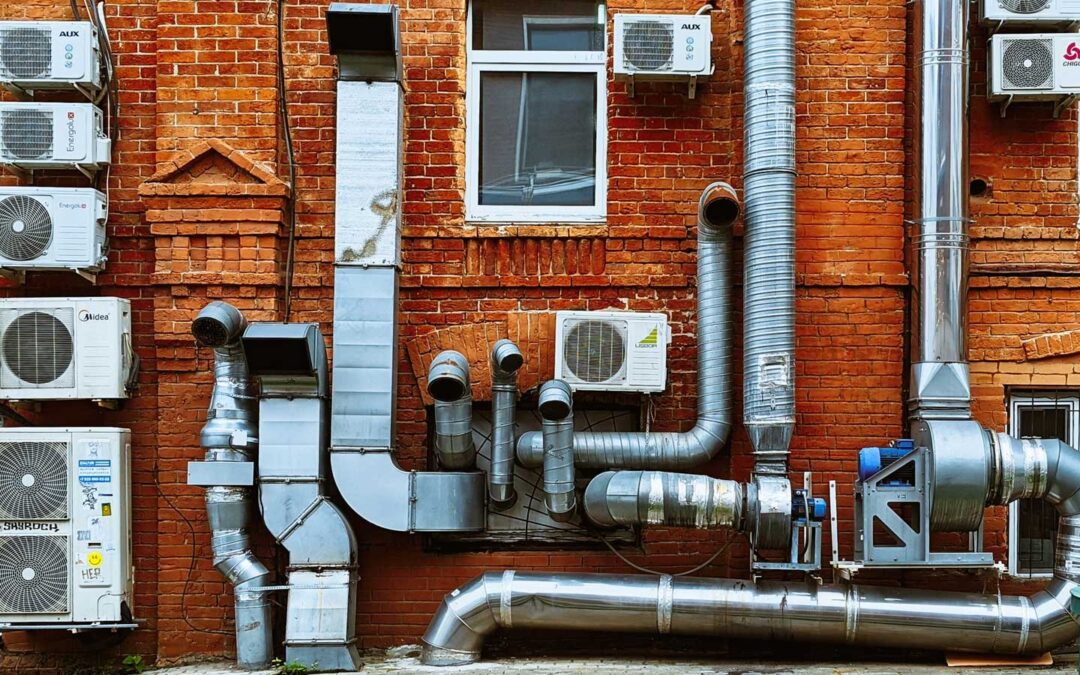
Controlling vibration is essential in everything from HVAC systems and acoustical needs, to transportation and industrial equipment. Two common solutions are vibration dampening tape and rubber isolators. While both are designed to reduce noise and vibration, they work in different ways and are suited to different applications.
This guide compares vibration dampening tape vs rubber isolators, explains how each works, and helps you determine the best choice for your project.
What Is Vibration Dampening Tape?
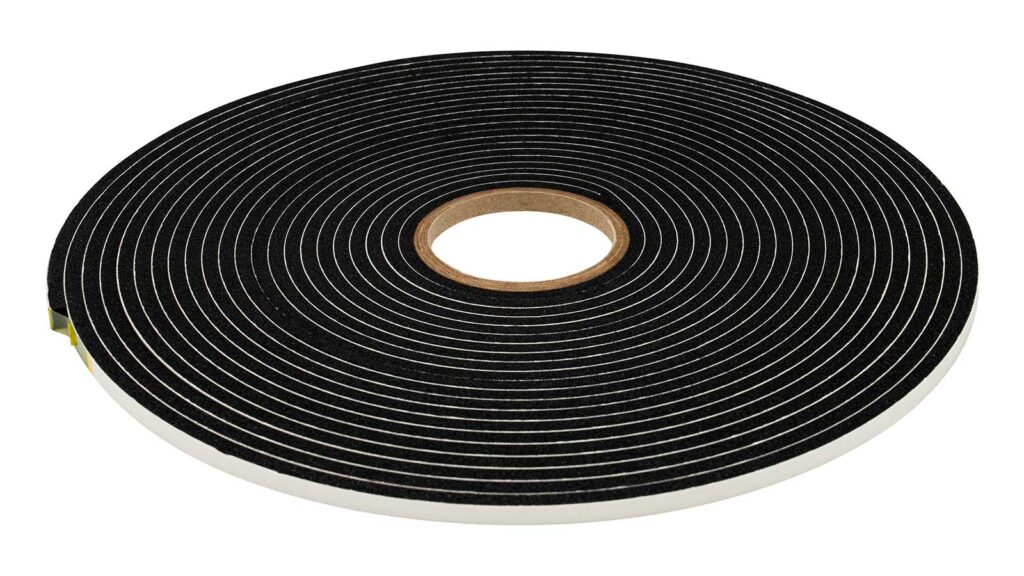
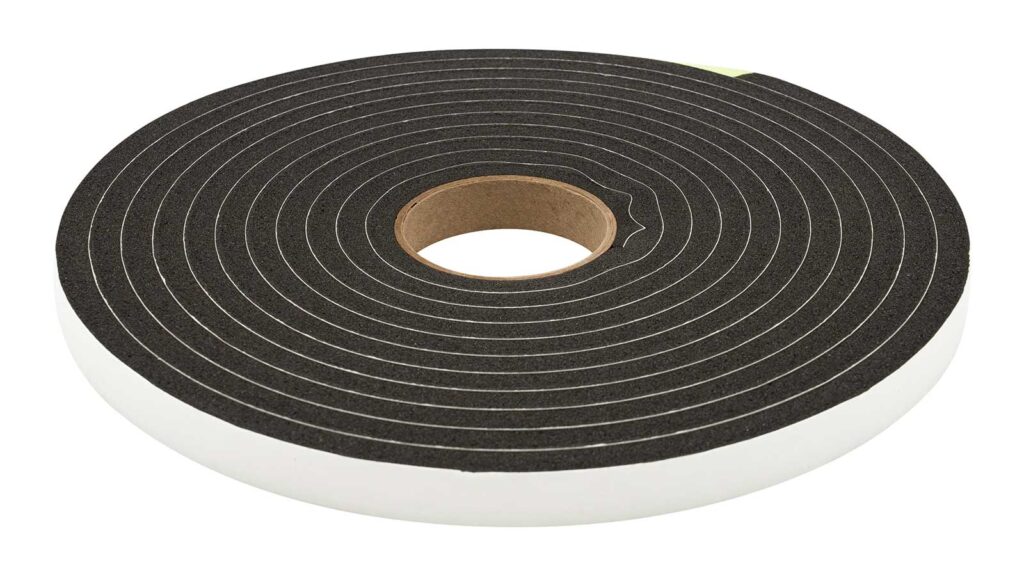
Vibration dampening tape is a pressure-sensitive adhesive tape made with foam or viscoelastic materials that absorb and dissipate vibration energy between surfaces.
It is applied directly between two substrates to reduce:
- Structure-borne vibration
- Panel rattle
- Noise caused by resonance
- Metal-to-metal contact
Because it is compressible, conformable, flexible, and easy to apply, dampening tape is widely used in assemblies where space is limited or fast installation is required.
What Are Rubber Isolators?
Rubber isolators are mechanical components made from elastomeric materials that physically separate and support equipment or structures.
They are typically used to:
- Isolate heavy machinery from floors or frames
- Reduce transmission of low-frequency vibration
- Support weight while minimizing movement
Rubber isolators come in forms such as mounts, pads, bushings, and grommets, and are commonly used in industrial and mechanical systems.
Key Differences Between Vibration Dampening Tape and Rubber Isolators
Installation Method
The tape is applied as an adhesive layer between surfaces. It requires no hardware, making it fast and efficient for assembly.
Rubber isolators require mechanical installation such as bolts or brackets. This adds time and complexity but allows for load-bearing support.
Thickness and Space Requirements
The tape is relatively thinner with excellent ranges of compression and ideal for tight tolerances or flush-mounted components.
Rubber isolators are thicker and require space to function properly, especially in load-bearing applications.
Load Bearing Capability
Rubber isolators are designed to support significant weight and are commonly used under equipment or machinery.
Vibration dampening tape is not intended to carry structural loads but performs well in bonded assemblies where vibration control is needed without added bulk.
Frequency Performance
Tape is highly effective at reducing higher-frequency vibrations and panel resonance.
Rubber isolators are typically better suited for low-frequency vibration and heavy equipment isolation.
Application Flexibility
Vibration dampening tape can be applied across large surface areas or in narrow, precise locations. It works well for continuous contact between materials.
Rubber isolators are point-based solutions that isolate vibration at specific mounting locations.
When to Use Vibration Dampening Tape
Tape is the right choice when:
- You need to eliminate panel rattle or buzz
- Surfaces require full-area contact
- Space is limited
- Fast, clean installation is important
- You are bonding materials like metal, glass, or plastic
- You want to reduce noise without adding mechanical components
Common applications include HVAC ductwork, metal panel systems, transportation interiors, and equipment enclosures.
When to Use Rubber Isolators
Rubber isolators are better suited when:
- Equipment weight must be supported
- Low-frequency vibration is the primary concern
- Isolation is needed at mounting points
- Mechanical fastening is already part of the design
Typical uses include heavy machinery, compressors, generators, and structural equipment.
Can They Be Used Together?
In many cases, the best solution is a combination of both.
Rubber isolators can handle primary load and low-frequency vibration, while vibration dampening tape addresses surface-level noise, panel resonance, and high-frequency vibration.
This layered approach is common in advanced assemblies where both structural support and acoustic performance are critical.
Performance Considerations
When selecting vibration dampening tape, several technical factors should be evaluated:
Foam Density — Higher density materials provide better vibration control while maintaining thickness under pressure.
Compression Behavior — The tape must compress enough to create contact but not collapse and lose effectiveness.
Adhesive Strength — Strong adhesion ensures the tape stays in place under vibration and environmental stress.
Compression Set
Low compression set helps maintain long-term performance by allowing the foam to recover after load. Consult our library of product data sheets for technical specs and compression details for each of our tape offerings.
Common Mistakes to Avoid
- Using vibration dampening tape in load-bearing applications
- Relying only on rubber isolators for panel noise
- Over-compressing foam tape during installation
- Ignoring frequency range of vibration
- Choosing materials without testing in real conditions
Proper material selection is essential for achieving consistent results.
Understanding the difference between vibration dampening tape vs rubber isolators is key to effective vibration control.
Vibration dampening tape is ideal for reducing noise, eliminating rattles, and improving acoustic performance in bonded assemblies. Rubber isolators are better suited for supporting weight and isolating low-frequency vibration at mounting points.
Choosing the right solution depends on your application, load requirements, and the type of vibration you need to control.
In many cases, combining both solutions delivers the best performance, reducing noise while maintaining structural integrity.
If you’re looking for vibration dampening tape cut to standard or non-standard sizes and shipping exactly where you need them, contact Capital Tape! Call: 1-888-888-TAPE during business hours or you can get a quote online 24/7 here!
Looking for more support? Check out these helpful links:
DATA SHEETS | ARTICLES | FREQUENTLY ASKED QUESTIONS | TROUBLESHOOTING
Follow Capital Tape on LinkedIn